

Klamath Drainage District Prepares for Salmon in Klamath River
KDD has been working with various partners to ensure water security for district family farmers and ranchers while ensuring success for endangered fish populations.
FOR IMMEDIATE RELEASE
Contact:
Scott White, Klamath Drainage District
General Manager
Email: scott.white@klamathdrainagedistrict.org
Phone: 541-884-1739
Klamath Falls, OR – On September 26th, the Oregon Department of Fish and Wildlife shared a short, 11-second video of a Chinook salmon leaping from the last pool of the Keno Dam fish ladder on its way up the Klamath River.
While social media commentators celebrated and scrutinized the video, the Klamath Drainage District board has been preparing for this moment.
KDD has two diversion points on the Klamath River – the Ady Canal and the North Canal. Both are possible avenues for salmon making their way into the district, with the Ady Canal being one of the first diversion points the Chinook would encounter on the Klamath River in Oregon.
“We have been very aware of this possibility and have been planning with a variety of partners and stakeholders on how we can ensure the success of these fish if they enter the district while providing water security for our landowners,” said KDD Manager, Scott White. “We’ve been working to find a balance to ensure the district’s family farms continue for generations while protecting salmon and sucker fish populations.”
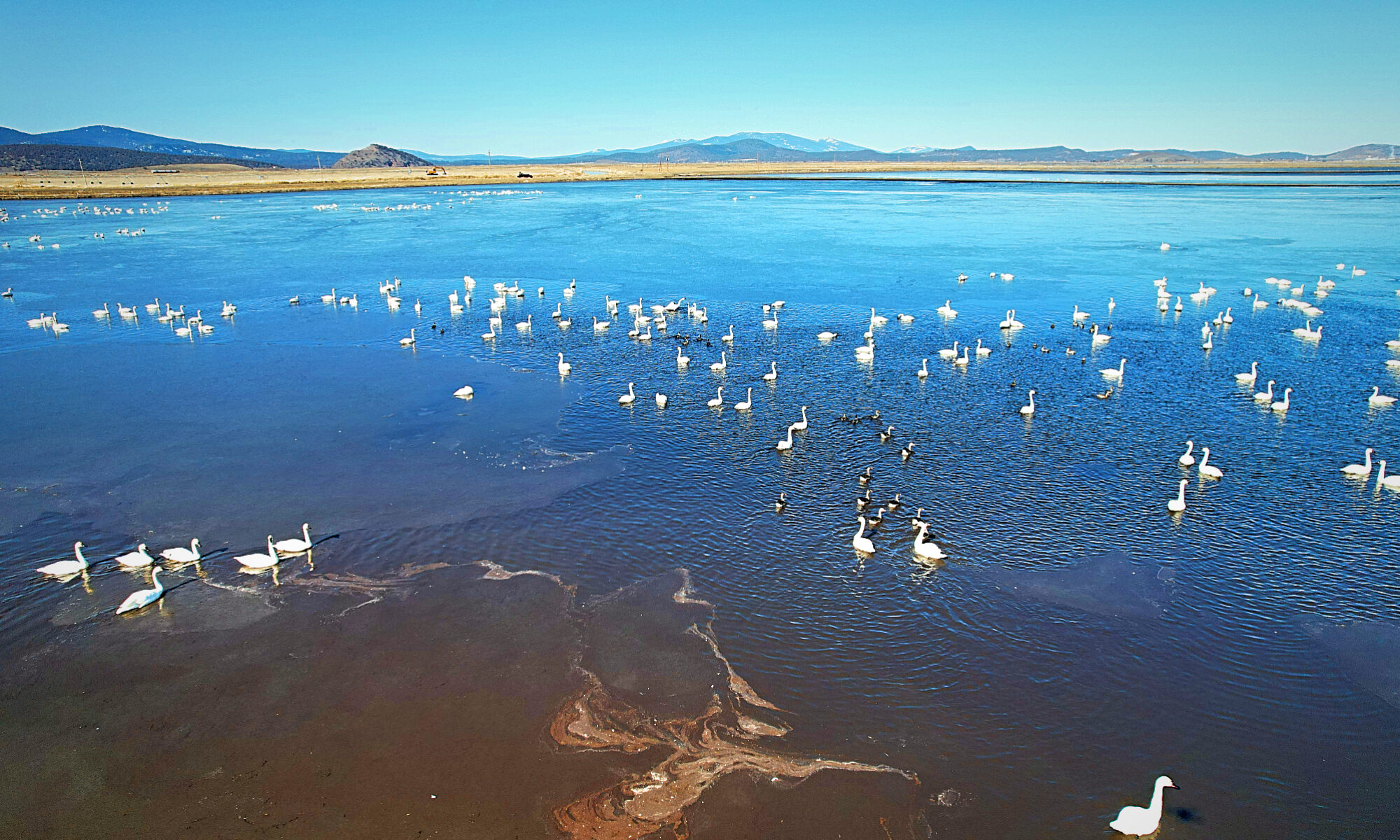
Part of the preparation for salmon in the district can be found in KDD’s Ady Canal Reconnection Project, also known as the Lower Klamath Reconnection Project or colloquially as Replumbing the Klamath. This project focuses on permanently connecting the Lower Klamath National Wildlife Refuge (LKNWR) to the Klamath River, providing habitat for birds that use the refuge as well as for potential spawning grounds for C’waam and Koptu populations. By opening up Ady Canal for fish passage to LKNWR, migrating salmon could also access Lower Klamath Lake.
The original plans were to keep fish from accessing the district’s canals and drains by building large fish screens at the North Canal and Ady Canal diversions. However, the plan has evolved to have smaller screens installed at turnouts along the canals where water is allowed on to fields. By installing fish screens at these turnouts, fish will be able to access Lower Klamath Lake.
“Let’s be clear – there are no guarantees that salmon will make it into the district. But if they do, we want to be prepared and our farmers and ranchers to be protected,” said White. “I’m grateful to the partners we have working on this project, and in regards to the fish screens, I would like to especially thank the Family Water Alliance for their guidance on this.”
The installation of the first fish screen is slated for 2026 pending KPFA promised funding from Oregon and the United States.
To learn more about the Lower Klamath Reconnection Project, please visit https://klamathdrainagedistrict.org/replumbing-the-klamath/. From there, you can also find a list of the organizations that are partnering with KDD on this project.
About the Klamath Drainage District:
Klamath Drainage District (KDD) is a 27,000-acre district located in southern Oregon bordering the Lower Klamath National Wildlife Refuge in California. KDD proactively works to improve distribution and delivery of its scarce water resources including recycling over 35,000 acre-feet annually through its recently installed recirculation pumping plants. Of this recycled water, most is reused to grow crops, but a percentage is used for growers outside of the district and used for habitat improvement and other refuge purposes. KDD is home to one of the largest concentrations of bald eagles in the lower 48 states and prides itself on its restoration activities and the tremendous wildlife viewing opportunities it provides.
###
Download a PDF version of “Klamath Drainage District Prepares for Salmon in the Klamath River”


