

Klamath Drainage District
Lower Klamath Lake Reconnection
Reconnecting the Klamath River to the Lower Klamath National Wildlife Refuge through KDD’s canals, for people, fish and wildlife.
Status: 30% design complete (August 2026). Phase 2 funding is now being secured.
Where things stand · Updated October 2026
The 30% design is done. Phase 2 is next.
Complete
Phase 1: 30% design
Funded by the U.S. Fish and Wildlife Service through the Inflation Reduction Act. Began October 2024; completed August 2026. Included LiDAR and sonar surveys.
Next · Funding underway
Phase 2: 60% design
About $900K in hand from a USFWS fund held by KDD. Phase 2 will also set the cost of final design and construction.
Later
Final design & construction
Canal improvements, the North Canal extension into the refuge, fish passage and landowner protections. Cost to be set in Phase 2.
Related project: Ady Canal Fish Screens. Four screens on the Ady Canal turnouts. $5M total, $1.2M secured (Oregon Lottery Bond funds via ODFW). Construction expected to begin summer 2027.
Why it matters
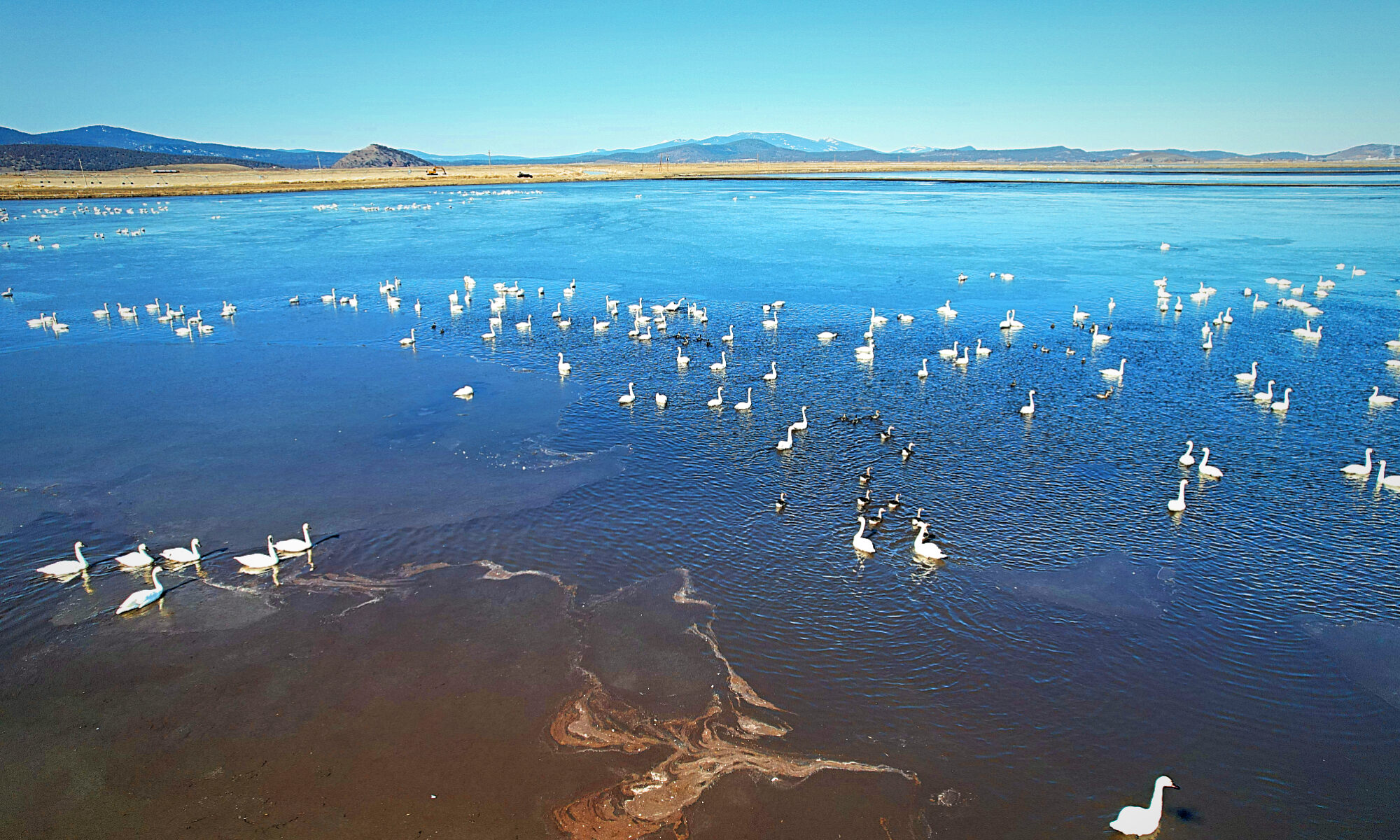
A refuge built for waterfowl went completely dry
The nation’s first waterfowl refuge
Lower Klamath National Wildlife Refuge was established in 1908 to protect migratory waterfowl. In 2021, after years of drought and competing demands for water, it went completely dry.
Salmon are coming back
With four Klamath River dams removed, Chinook salmon were seen in the Ady Canal in October 2025. The project plans for fish passage and screening so fish and farms are both protected.
Farms and wildlife, together
KDD has already sent water to the refuge, including about 2,500 acre-feet to Unit 2 in 2024. Reconnecting the lake makes that support lasting, while protecting the district’s landowners.

1908
Refuge established
~4,000
Acres reconnected at Unit 2 / Sheepy Lake
+6,000
More acres with potential to flood
How it works
Using KDD’s Ady Canal to reconnect the lake to the river
A railroad embankment built in 1907 cut Lower Klamath Lake off from the Klamath River. The project uses KDD’s Ady Canal to carry river water, and fish, back to Unit 2 and Sheepy Lake on the refuge.
1. Reconnect river and refuge
Improve the canals so river water can reach Unit 2, reconnecting about 4,000 acres, with potential for 6,000 more.
2. Extend the North Canal
Carry the North Canal across the Stateline Highway into the refuge’s canal system to deliver water to wetlands and cooperative grain lots.
3. Give fish a way back
Restore fish access to refuge wetlands for the first time since the railroad, with screens at turnouts to keep fish out of fields.
4. Protect landowners
Seek a Habitat Conservation Plan or Biological Opinion covering KDD landowners, and offer a voluntary incentive program for rotational wetlands.
Timeline
How we got here
- 1907–08Railroad dike cuts the lake off from the river; Lower Klamath National Wildlife Refuge established
- July 22, 2021Cracked mud on a dry Unit 2. KDD takes the question of reconnecting the lake to refuge management
- Dec 2021 – Aug 2022KDD sends about 3,100 acre-feet to the refuge
- July 10, 2023Interior’s Opportunities Tour visits KDD
- Aug 30, 2023KDD announces “Replumbing the Klamath” with partners
- Jan 9, 2024KDD–Yurok Tribe MOU: a commitment to work together to develop common interest projects
- Mar 7, 2024Lower Klamath Renaissance Tour
- May 2024About 2,500 acre-feet of recycled water reaches Unit 2 through the Ady Canal
- Oct 1, 2024Phase 1 (30% design) begins with $2.8M from USFWS
- Fall 2024LiDAR and sonar surveys complete; landowner meeting in Dorris, CA (Nov 4)
- Oct 2025Chinook salmon seen in the Ady Canal
- Aug 202630% design complete
- NextPhase 2: 60% design ($3M needed, about $900K in hand)
For KDD landowners
Common questions
Protecting the district’s farms is a core goal of the project. For anything not answered here, contact KDD directly.
Will more water in the canals flood my land?
Keeping KDD private land safe is a design requirement. Phase 1 studied what could cause flooding and how to prevent it, including canal bank improvements, interior levees, and incentive or easement options.
What if endangered fish end up in the canals?
The project seeks a Habitat Conservation Plan or Biological Opinion so landowners are covered for incidental take of listed species. Fish screens on the Ady Canal turnouts are planned to keep fish in the canal and out of fields.
Do I have to participate?
No. The rotational wetland incentive program is voluntary. Landowners who join would also get priority access to refuge cooperative lands.
How can I stay informed or share concerns?
KDD holds landowner meetings as design moves forward. Contact Scott White, KDD General Manager, through the KDD office.
Partners
A product of the Lower Klamath Lake Working Group
Working Group members
- Bird Alliance of Oregon
- Ducks Unlimited
- Klamath Drainage District
- Klamath Tribes
- Klamath Watershed Partnership
- Klamath Water Users Association
- Modoc Nation
- Natural Resources Conservation Service
- Oregon Department of Fish and Wildlife
- Oregon Water Resources Department
- Siskiyou County
- South Suburban Sanitary District
- U.S. Fish and Wildlife Service
- U.S. Geological Survey
- Yurok Tribe
Agencies with a role in review and permitting
- U.S. Bureau of Reclamation
- U.S. Fish and Wildlife Service
- USDA Natural Resources Conservation Service
- NOAA National Marine Fisheries Service
- Oregon Water Resources Department
- Oregon Department of Environmental Quality
- Oregon Department of Fish and Wildlife
- California Department of Transportation
- California Department of Fish and Wildlife
Resources
Reports, news and background
Report
30% Design Report
Link to be added.